
- All
- Product Name
- Product Keyword
- Product Model
- Product Summary
- Product Description
- Multi Field Search
Author: Site Editor Publish Time: 2025-11-28 Origin: Site
Selecting the right dining chairs is crucial to creating an inviting and functional dining space, and it largely depends on the seating arrangement. The way your chairs are arranged not only affects the visual appeal of your dining area but also plays a key role in optimizing comfort and space. Whether you have a formal dining room, an open-plan space, or a cozy nook, the right chairs can enhance the overall dining experience by ensuring ease of movement, comfort, and a cohesive design. This article aims to provide guidance on choosing the best dining chairs for various seating arrangements, helping you balance both functionality and aesthetics to create a well-designed and comfortable dining environment.
When selecting dining chairs, the seating arrangement plays a crucial role in both the functionality and style of your dining area. Different seating setups cater to various needs, whether it’s for a formal gathering or maximizing space in a smaller home. Here are some common types of seating arrangements:
A traditional dining setup involves arranging chairs around a rectangular or round table, offering a formal or standard dining experience. This classic arrangement is perfect for families and those who enjoy hosting meals, providing ample seating and a structured look. The symmetrical layout works well for both casual and formal occasions, allowing everyone at the table to face each other for easy conversation.
Key Considerations: When selecting chairs for a traditional setup, consider comfort and style that aligns with the table’s design, whether you opt for matching wood chairs for a classic look or mix materials for a more modern touch.
Banquette seating combines chairs with a built-in bench or cushioned seating, offering a cozy and space-saving solution. This arrangement works especially well in smaller dining areas or in homes where maximizing seating is essential. The bench is often placed against the wall, with chairs placed around the rest of the table, creating an intimate and casual dining atmosphere. Banquette seating is perfect for breakfast nooks, family kitchens, or informal dining rooms.
Key Considerations: Banquette seating pairs well with upholstered chairs or stools that complement the softness of the bench. The combination of chair styles can help add variety and comfort to the space.
In open-plan seating, dining chairs are placed in an open-concept room, creating a seamless flow between the dining area and the living space. This arrangement is ideal for modern homes, where the dining area is part of a larger, interconnected space. The dining chairs need to complement both the dining table and the surrounding décor, maintaining a cohesive aesthetic that blends with the living room or kitchen area.
Key Considerations: Choose versatile, stylish chairs that align with the overall design of the room. Modern materials, such as metal or clear acrylic chairs, are great for open-plan settings as they allow the space to feel open and airy.
For apartments or smaller dining rooms, small space solutions are essential. In these setups, compact, stackable, or foldable chairs can be used to maximize available space. These chairs are designed to be practical without compromising on comfort or style. Stackable chairs can be neatly stored when not in use, while foldable chairs offer flexibility for when extra seating is needed.
Key Considerations: Look for space-saving designs that are both functional and visually appealing. Chairs with slim profiles, such as armless models or lightweight metal frames, are ideal for tight spaces and can easily be tucked away when not in use.
Selecting the right dining chairs for various seating arrangements is essential to create a balanced and functional dining area. The seating arrangement influences not only the aesthetic appeal but also the comfort and practicality of the space. Here's a guide to choosing the best dining chairs for different seating setups:
Considerations for Matching Chairs with Table Size and Shape
In a traditional dining setup, the size and shape of your dining table should dictate the type of chairs you choose. For a rectangular or square table, consider chairs with straight backs and edges to maintain a structured look. For round tables, opt for chairs with curved lines to complement the table's soft edges.
Comfort and Support: When hosting large gatherings, comfort is paramount. Choose chairs with sufficient back support and comfortable seat heights (typically around 18 inches). If the table is large, consider adding armchairs at the ends for extra support and a touch of elegance.
Best Chair Options for a Banquette Setup
When paired with a banquette (a built-in or cushioned bench), consider armless chairs or stools to keep the seating area open and flexible. If a more cohesive, comfortable look is desired, upholstered chairs that match the bench can enhance the cozy atmosphere.
Space Optimization: Banquette seating is ideal for smaller spaces, so make sure the chairs are not too bulky. The combination of benches and chairs allows you to optimize space while maintaining comfort and style. Stools can also be added for extra seating without crowding the area.
Chairs that Blend with the Surrounding Décor
In open-plan spaces, the dining chairs should complement the broader room's décor while still allowing the dining area to stand out. Versatile chairs with neutral colors or sleek designs (such as metal, wood, or clear acrylic) work well in open-concept rooms, allowing the dining area to remain part of the larger space while still feeling distinct.
Mixing Chair Styles: Mixing different chair styles can add character and depth to an open-plan setting. For example, pairing modern dining chairs with classic side chairs can create an eclectic, but cohesive, look. Choose chairs that are visually compatible with the living or kitchen area’s overall style.
Space-Saving Chairs for Compact Dining Areas
For smaller spaces, choosing compact, stackable, or foldable chairs is key to maximizing space without compromising on style or comfort. These types of chairs are practical for apartments or small dining rooms, where flexibility is essential.
Ideal Materials and Designs: Opt for lightweight metal or wooden chairs, as these materials can provide comfort without taking up too much space. Armless chairs or chairs with slim profiles work well in tight spaces, allowing for easy movement and storage when not in use. Materials like plastic or light fabric are ideal for easy maintenance and practicality in small areas.
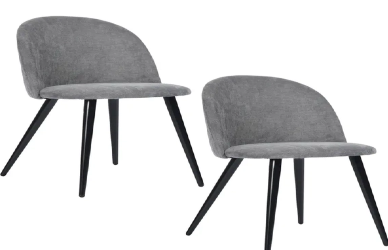
When selecting dining chairs, it’s important to balance comfort, functionality, style, space, and durability to create a well-rounded dining area. Here are the key factors to consider:
Intended Use: Choose chairs based on how they’ll be used. For long, leisurely meals, opt for comfortable, padded chairs with supportive backrests. For quick meals, simpler chairs or stools are ideal.
Ergonomics: Look for chairs with contoured backs and padded seats for added comfort, especially for longer sittings.
Fit Within the Space: In smaller rooms, choose space-saving options like armless, stackable, or foldable chairs to maximize seating without crowding the space.
Multi-functional Areas: If the dining area is part of an open-plan space, go for chairs that are easy to move or store when not in use, keeping the space flexible.
Cohesive Look: Match chairs with the table’s style and the room’s décor. Modern chairs work well with contemporary tables, while traditional chairs complement classic designs.
Balance: You can mix styles, but ensure the overall aesthetic remains cohesive without overcrowding the room with too many contrasting elements.
Material Strength: Select materials that withstand daily wear, especially in high-traffic areas. Wooden, metal, or plastic chairs are durable and easy to maintain.
Long-Term Use: Choose stain-resistant or easy-to-clean materials for households with children or frequent guests, ensuring long-lasting durability.
Answer: For small apartments, opt for stackable, foldable, or compact chairs that can be easily stored away when not in use. Armless chairs or slim-profile designs are ideal for maximizing space without sacrificing comfort.
Answer: Yes, mixing styles can add visual interest to a banquette seating arrangement. Consider using matching upholstered chairs for a cohesive look or pairing different styles of stools for a more eclectic, casual vibe.
Answer: For a long rectangular table, consider longer or wider chairs to fill the space evenly. Armchairs at the ends of the table can add a sense of symmetry, while armless chairs along the sides provide ease of movement and comfort.
Answer: In an open-plan area, choose versatile chairs that complement the surrounding décor. Opt for modern designs with clean lines or neutral tones that blend with the living space, creating a seamless flow between dining and living areas.
Choosing the right dining chairs for each seating arrangement is crucial for enhancing both the style and functionality of your dining space. The right chairs not only complement your dining table but also contribute to the overall comfort, flow, and visual appeal of the room. It’s important to consider your space, lifestyle, and preferences when selecting chairs for different seating setups, whether it’s a formal dining room, cozy banquette, open-plan space, or a small apartment. Don’t be afraid to experiment with different chair styles, materials, and designs to create a personalized and well-organized dining area that reflects your unique taste and meets your practical needs.


