
- All
- Product Name
- Product Keyword
- Product Model
- Product Summary
- Product Description
- Multi Field Search
Author: Site Editor Publish Time: 2025-11-27 Origin: Site
Choosing the right dining chairs for your dining table is crucial not only for comfort but also for enhancing the overall aesthetics of your dining space. Dining chairs play a significant role in setting the tone for your dining room, influencing its style, mood, and functionality. The right chairs can create a harmonious and inviting atmosphere, making meals more enjoyable and your dining space more cohesive. Whether you're hosting family dinners or entertaining guests, dining chairs contribute to both the form and function of your dining area. This article aims to guide you through the process of selecting dining chairs that complement your dining table, helping you achieve a balanced and stylish dining room while ensuring comfort and practicality.
When selecting dining chairs, several factors should be considered to ensure they complement your dining table while offering comfort and functionality:
The size and shape of your dining table affect the choice of chairs:
Round Tables: Chairs with curved lines or round backs complement the soft edges of a round table.
Square or Rectangular Tables: Chairs with straight lines and defined edges work well to maintain a structured, cohesive look.
Table Size: Larger tables may need more substantial chairs, while smaller tables benefit from lighter, compact chairs.
The style of your dining chairs should harmonize with the table’s design:
Modern: Sleek, minimalist chairs suit contemporary, glass, or metal tables.
Traditional: Intricate, upholstered chairs pair well with classic wood tables for a timeless look.
Rustic: Wood or metal chairs complement rustic or farmhouse-style tables.
Minimalist: Simple, functional chairs work well with minimalist tables, emphasizing form and function.
The material of the chairs should align with the table material:
Wood: Matches well with wooden tables for a unified look or can be mixed with metal for an eclectic style.
Metal: Ideal for modern or industrial aesthetics, especially with glass, stone, or metal tables.
Upholstered: Provides comfort and suits formal dining settings, complementing wood or glass tables.
Plastic: A versatile and affordable option, suitable for casual or contemporary settings.
Comfort is essential, especially for long meals:
Seat Height: Ensure the seat height allows 10-12 inches between the seat and the tabletop.
Backrest: Choose chairs with supportive backrests, higher ones for more support and lower ones for a casual look.
Durability: Opt for materials that can withstand daily use, especially in busy households.
The color and finish of your chairs should complement the dining room décor:
Matching Colors: For a harmonious look, choose chairs that match or complement the table color. Neutral tones work well for a timeless feel, while bold colors create contrast.
Finish: Ensure the finish of the chairs aligns with the table’s finish, whether matte, glossy, or natural wood.
Choosing the right dining chairs that complement your dining table is essential for creating a cohesive, stylish, and functional dining area. Here are some practical tips to help you match dining chairs with your table:
One of the most important aspects of choosing dining chairs is ensuring they align with the material of your dining table:
Wood-to-Wood: If your dining table is made of wood, pairing it with wooden chairs creates a unified, traditional look. Opt for the same wood type or a complementary finish for a more harmonious effect.
Metal-to-Metal: If you have a metal dining table, metal chairs work well to maintain a consistent industrial or modern aesthetic. You can also mix metals with contrasting finishes to add texture and interest.
Wood and Metal Combos: For a more eclectic or contemporary look, consider combining wood chairs with a metal table, or vice versa. This creates a balanced blend of materials that feels both stylish and unique.
Dining chairs and tables don't always need to match exactly, but they should complement each other in style:
Contrast for Bold Looks: Mixing and matching contrasting styles can create a more dynamic dining area. For example, pairing a sleek, modern table with traditional or vintage chairs can add character and visual interest to the space.
Cohesion for a Timeless Look: If you prefer a more cohesive aesthetic, choose chairs that match the style of your table. For example, pair a rustic farmhouse table with matching wooden chairs, or choose modern chairs with clean lines to complement a contemporary dining table.
The scale and proportion of your dining chairs are crucial for visual harmony:
Chair Size and Table Size: Ensure the chairs are proportionate to the size of your table. Oversized chairs can overwhelm a small table, while small chairs may look out of place with a large table. Aim for balance by choosing chairs that match the dimensions of your table, leaving enough room for comfortable seating.
Chair Height: Pay attention to seat height. The standard height for dining chairs is usually around 18 inches from the ground, ensuring that they fit comfortably under the table. Make sure the chairs allow for adequate legroom—typically about 10–12 inches from the seat to the tabletop.
While aesthetics are important, comfort and functionality should not be overlooked:
Comfort: Choose chairs with proper seat height, back support, and padding if you plan to use them for long meals or entertaining guests. Upholstered chairs offer extra comfort but may require more upkeep, while wooden or metal chairs are more low-maintenance.
Ease of Maintenance: Consider how easy it will be to clean and maintain the chairs. Chairs with fabric cushions may require regular cleaning or protection, while wood or metal chairs are generally easier to wipe down. If you have children or frequent guests, prioritize durable materials that can handle daily use.
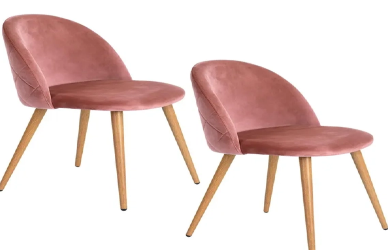
Selecting the right dining chairs is essential for creating a cohesive and functional dining space. Here are some popular dining chair styles and how they complement different types of tables:
How Classic Chairs Complement Wooden or Ornate Dining Tables
Traditional chairs are often made of wood with intricate details, perfectly complementing wooden or ornate dining tables. These chairs bring a timeless, elegant feel to your dining room.
Pairing Tips: For ornate wooden tables, choose chairs with similar wood finishes or deep, classic upholstery colors like burgundy or navy to enhance the formal look.
Sleek Chairs for Glass or Metal Tables
Modern chairs feature sleek lines and minimalist designs, making them a great match for contemporary glass or metal tables. These chairs create a clean, sophisticated dining space.
Pairing Tips: Opt for materials like molded plastic, metal, or leather in neutral tones such as black, white, or gray to maintain a minimalist vibe. You can also introduce color for contrast.
Combining Wood, Metal, or Fabric with Industrial or Eclectic Tables
Mixed-material chairs, such as wood with metal or fabric, pair well with industrial or eclectic dining tables that combine materials like reclaimed wood and metal. This creates a dynamic and versatile look.
Pairing Tips: For industrial tables, choose chairs with metal frames and wood or fabric seats. This pairing balances the raw, industrial feel with warmth and texture.
Comfortable Chairs for Formal Dining Tables
Upholstered dining chairs offer extra comfort, making them ideal for formal dining tables where long meals are common. They come in various fabrics, offering both elegance and comfort.
Pairing Tips: For formal tables, choose elegant fabrics like velvet or linen in complementary colors. Dark wood tables pair well with rich-colored fabrics, while light wood tables suit neutral tones.
Answer: To ensure your dining chairs fit, consider the chair width, seat height, and leg clearance. A general guideline is to leave at least 24 inches of space between each chair for comfort, and the seat height should allow 10–12 inches of space from the tabletop for easy seating.
Answer: Yes, mixing different styles of dining chairs with your table can create a more eclectic or personalized look. However, it’s important to maintain a unifying element (such as color, material, or theme) to create a balanced and cohesive aesthetic.
Answer: Dining chairs do not need to match the color of the dining table exactly, but they should complement the table’s color scheme and overall décor. You can either match the color for a uniform look or choose contrasting colors for a more dynamic, bold style.
Answer: The ideal seat height for dining chairs is typically between 17–19 inches from the floor, with the table height ranging from 28–30 inches. This ensures that there’s enough legroom (about 10–12 inches) between the seat and the tabletop for comfortable dining.
Choosing the right dining chairs to complement your dining table is essential for creating a harmonious and functional dining space. Key factors such as the material, style, and proportion of the chairs must align with the table to achieve a balanced and cohesive look. It’s equally important to prioritize comfort and practicality, ensuring that the chairs are not only stylish but also comfortable and durable for everyday use. When selecting dining chairs, it’s essential to consider the overall design of your dining room and how the chairs will fit within that space, as well as their functionality for both daily meals and special occasions. By carefully balancing aesthetics, comfort, and practicality, you can choose dining chairs that enhance your dining area while meeting your needs.


