
- All
- Product Name
- Product Keyword
- Product Model
- Product Summary
- Product Description
- Multi Field Search
Author: Site Editor Publish Time: 2026-08-21 Origin: Site
The dining table serves as the functional and aesthetic anchor of a home or commercial space, representing a high-stakes, long-term furniture investment. Selecting the wrong frame material leads to premature structural failure, aesthetic degradation, or excessive maintenance, particularly in high-traffic or climate-sensitive environments. Evaluating frame materials requires looking beyond surface-level aesthetics. You must establish a framework to compare options based on tensile strength, environmental resilience, maintenance demands, and lifecycle costs. We will break down the exact mechanical and environmental differences between these materials. You will learn how relative humidity destroys weak joinery and why powder-coated steel fails in coastal air. This guide provides the field-tested data you need to specify the correct furniture for your exact spatial and environmental requirements.
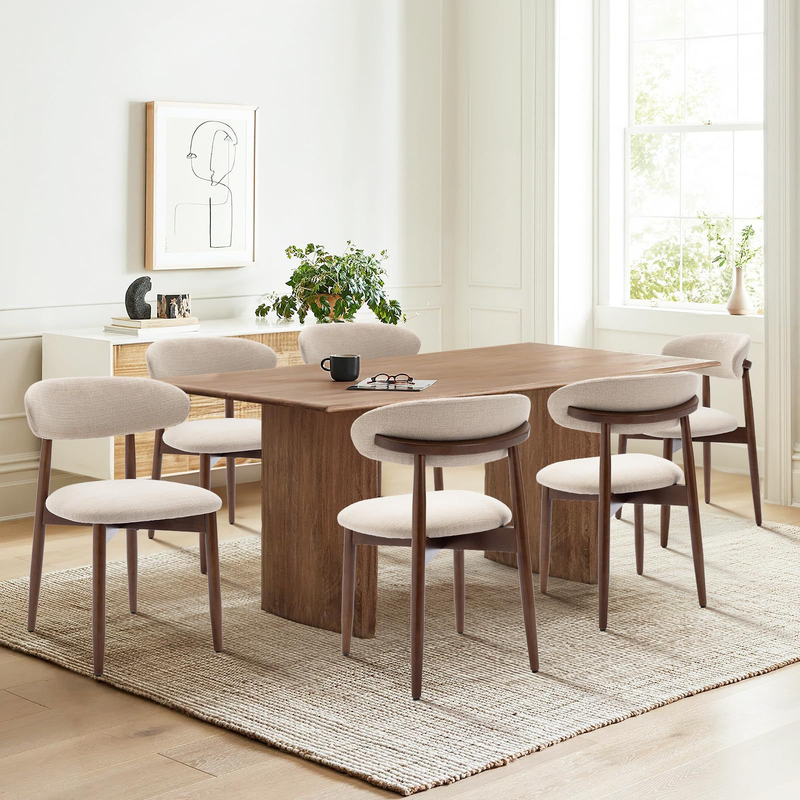
Structural Longevity: Solid hardwood offers a generational lifespan with proper care, while engineered wood (5–8 years) and standard metal frames (6–10+ years) offer varying degrees of medium-to-long-term durability depending on joint construction.
Environmental Vulnerability: Wood is susceptible to humidity, warping, and pests, whereas metal is impervious to organic decay and fire, but carries risks of oxidation or corrosion if protective coatings are compromised.
Maintenance Realities: Wood frames allow for sanding and refinishing to repair localized damage; metal frames offer high daily resistance and modular component replacement, but are difficult to repair seamlessly once dented or deeply scratched.
Aesthetic & Spatial Impact: Metal allows for high-strength, slim-profile engineering ideal for compact or modern spaces, while wood provides organic warmth, substantial visual weight, and traditional joinery.
Table of Contents
Dining tables endure constant dynamic loads. People lean heavily on the edges during conversations. Guests shift their weight constantly. Heavy centerpieces and serving dishes sit in the middle for hours. Structural stability relies entirely on joint integrity. A table frame must resist lateral shear forces to prevent wobbling. Materials handle these stresses differently over time. The connection points between legs and aprons determine the ultimate lifespan of the furniture. Weak joints lead to structural collapse long before the surface material degrades. We measure this capacity by looking at how the frame handles racking forces. If you push horizontally against the short end of the table, the frame should not yield. Mechanical fasteners screwed directly into end-grain will eventually strip out under this pressure. True structural integrity requires interlocking joinery or continuous welds.
Ambient conditions dictate how furniture materials perform year after year. UV exposure from large windows fades finishes rapidly. Relative humidity acts as a silent stressor on natural materials. Temperature fluctuations cause continuous expansion and contraction cycles. A frame must withstand the specific microclimate of your dining room. Coastal environments introduce airborne salt. Dry winter heating strips moisture from the air. You must match the frame material to your specific environmental baseline to prevent premature degradation. Wood requires a stable indoor climate with humidity levels between 40 and 60 percent. Metal ignores humidity but reacts violently to airborne corrosives if the protective coating fails.
Every piece of furniture demands a specific maintenance workflow. You must establish an acceptable threshold for daily upkeep versus long-term repair. Daily maintenance involves wiping up acidic spills or clearing condensation rings. Long-term maintenance requires significantly more effort. You might need to refinish surfaces, tighten mechanical hardware, or replace degraded glides. Understanding your personal tolerance for these tasks prevents future frustration. High-maintenance materials fail quickly in low-maintenance households. You need to decide if you are willing to apply paste wax to a wood frame annually or if you prefer the zero-maintenance reality of anodized aluminum.

Wood frames fall into two primary categories. Solid hardwoods include oak, walnut, and maple. These species offer dense cellular structures and high impact resistance. Engineered woods include MDF and plywood covered with thin wood veneers. Engineered options cost less but sacrifice structural density. Construction methods vary widely across these materials. Traditional joinery utilizes mortise and tenon or dovetail connections. These methods interlock the wood fibers directly. Modern manufacturing often relies on mechanical fasteners like screws and dowels. Fasteners speed up production but can loosen as the wood moves over time. When inspecting a wood frame, look underneath the tabletop. You should see corner blocks glued and screwed into the aprons. This adds necessary rigidity to the leg connections.
Solid wood provides exceptional repairability. It wears its scratches with pride. You can sand down a solid hardwood frame multiple times. You can re-stain it to match changing interior trends. Full restoration remains entirely possible over decades of use. Beyond repairability, wood offers distinct organic variation. Every piece features unique grain patterns. The material provides a tactile warmth to the room. Synthetic or engineered materials simply cannot replicate this natural depth. Solid wood absorbs sound slightly, dampening noise in echo-heavy dining rooms. A thick hardwood base also provides a low center of gravity, making the table exceptionally stable against tipping.
Wood possesses a highly hygroscopic nature. It constantly absorbs and releases moisture from the surrounding air. This causes the frame to expand and contract with seasonal humidity changes. Unregulated humidity leads to severe warping. You might experience cracking along the grain or complete joint separation. The surface also remains highly vulnerable to daily hazards. Condensation from cold glasses leaves permanent water rings. Hot serving dishes cause heat damage to the clear coat. Sharp impacts easily gouge the softer fibers of the wood. If a manufacturer fails to account for wood movement by rigidly gluing the tabletop to the frame, the top will eventually split straight down the middle.
Furniture manufacturers utilize several distinct metals for dining frames. Tubular steel provides heavy-duty performance and exceptional durability. Aluminum offers a lightweight alternative that remains naturally rust-proof. Cast iron delivers extreme compressive strength and massive weight, though it can be brittle under sharp impact. Finishing techniques define the final performance. Powder coating bakes colored resin onto the metal. Electroplating bonds a thin layer of chrome or brass to the surface. Anodizing increases the natural oxide layer on aluminum. Many metal frames feature modular construction. Bolted connections allow you to replace individual sides or legs easily. Permanently glued wood joints do not offer this modular flexibility. High-end metal frames utilize TIG welding for seamless, invisible joints that never loosen.
Metal boasts an incredibly high tensile strength to volume ratio. It achieves superior stability using significantly thinner legs and supports. This introduces precision engineering directly into interior design. You gain maximum legroom without sacrificing structural integrity. Metal also provides complete inorganic resilience. It remains entirely immune to rot, termites, mold, and fire. This makes it highly durable in volatile or unpredictable environments. The material does not warp or shift when the seasons change. A one-inch square steel tube can support hundreds of pounds without deflecting, allowing designers to create cantilevered or minimalist shapes that would instantly snap if made from wood.
Metal frames carry specific environmental risks. Coating failure leads directly to oxidation. If you scratch the powder coat or sealant, steel and iron frames will rust. This risk multiplies in coastal areas or high-humidity environments. Metal also poses a practical risk to your home's architecture. Heavy metal legs easily gouge soft hardwood floors. Dragging a cast iron table can cause severe damage instantly. You must use high-quality, integrated glides to protect your flooring. Felt pads often slip off thin metal profiles, requiring specialized rubber or plastic footings. Additionally, hollow metal tubes can amplify sound, creating a ringing noise when struck by chairs or shoes.
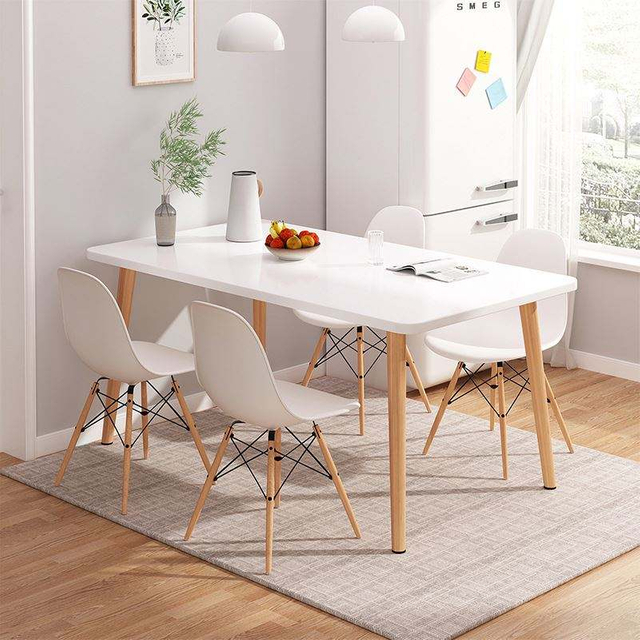
Solid hardwood offers true generational potential. A well-maintained oak table easily lasts fifty years. Standard metal frames average a 6 to 10 year lifespan before finishes degrade or hardware strips. Engineered wood typically fails within 5 to 8 years. Joint failure rates dictate these timelines. Metal frame longevity depends heavily on construction quality. Continuous welded joints outlast mechanical fasteners significantly. Glued and screwed wood joints hold up well but eventually loosen after a decade of seasonal movement. Choosing a metal frame vs wood dining table requires matching the material's lifespan to your long-term housing plans. If you plan to keep the furniture for life, solid wood provides the necessary repairability. If you want a rigid, modern aesthetic for the next decade, metal delivers superior immediate strength.
Daily maintenance differs drastically between the two materials. Metal frames offer simple wipe-down ease. You can use standard household cleaners without fear of stripping the finish. Wood requires specialized cleaning routines. You must avoid harsh chemicals that degrade polyurethane or wax sealants. Long-term repair presents a different story entirely. Wood can be refinished from scratch. You can sand away decades of damage. Metal frames often require professional re-powder coating if heavily scratched. However, modular metal designs offer a distinct advantage. You can simply unbolt and replace individual damaged components without replacing the entire table. If a steel leg gets bent during a move, you order a new leg. If a glued wood leg snaps, you need a professional carpenter.
Visual weight plays a massive role in room design. Slim metal legs create a distinct illusion of space. They allow light to pass through the base, making compact dining rooms feel larger. Metal frames look engineered, sharp, and deliberate. Thick wood pedestals or chunky farmhouse legs anchor large spaces. They provide substantial visual weight that fills open-concept floor plans. Wood brings organic warmth that softens harsh architectural lines. Metal introduces a crisp, industrial contrast to soft furnishings. The choice directly impacts how crowded your dining area feels. A heavy wood base in a small apartment makes the room feel cramped, while a wire-frame metal base keeps sightlines open.
You must evaluate the initial cost-to-value ratio carefully. Metal frames often provide higher structural strength at a lower initial price point. They offer excellent budget-friendly durability. Premium solid hardwoods require a larger upfront investment. There are notable exceptions to this rule. Specialty metals like solid brass or high-grade aluminum increase costs rapidly. Intricate architectural metal designs easily exceed the cost of standard wood frames. Solid wood generally retains higher resale value. Metal and engineered wood combinations depreciate faster on the secondary market. Buyers willingly pay for vintage solid wood because they know they can restore it. Used metal tables with scratched finishes hold very little secondary market appeal.
Performance Metric | Solid Hardwood Frame | Tubular Metal Frame |
|---|---|---|
Average Lifespan | Generational (20+ years) | 6–10+ years |
Daily Maintenance | Requires gentle, pH-neutral cleaners | High tolerance for standard chemical cleaners |
Repairability | High (Can be fully sanded and refinished on-site) | Low (Requires professional recoating or part replacement) |
Environmental Weakness | Humidity swings, pests, water rings, heat damage | Oxidation (rust) if scratched, coastal salt corrosion |
Visual Weight | Heavy, anchoring, organic, traditional | Light, slim-profile, engineered, modern |
Families with young children test furniture limits daily. Restaurant settings demand extreme impact resistance and rapid sanitization. Metal frames excel in these high-impact scenarios. They resist kicks, bumps, and spills effortlessly. Metal also meets strict commercial fire safety codes. Solid wood works in these environments only if you commit to periodic refinishing. Hardwoods hide minor dents well but require ongoing surface management. Choose metal for immediate impact resistance. Choose wood if you prefer a material that develops a natural patina over time. In a busy household, a metal base with a solid wood top often provides the best compromise between durability and warmth.
Geography dictates material success. Avoid steel frames in un-air-conditioned coastal homes. Airborne salt corrodes scratched powder coats rapidly. Aluminum serves as a better metal alternative near the ocean. Avoid solid wood in environments with extreme, unregulated humidity swings. Cabins or homes without central climate control cause wood to warp violently. Engineered wood performs slightly better in fluctuating humidity but lacks overall strength. Map your home's HVAC capabilities to the material's environmental weaknesses. If you live in a dry desert climate, wood joints will shrink and loosen unless you run a whole-house humidifier.
Your architectural style should guide your frame selection. Metal aligns perfectly with Industrial, Minimalist, and Modern aesthetics. The sharp lines and engineered precision complement concrete floors and exposed brick. Wood naturally fits Farmhouse, Traditional, and Mid-Century Modern designs. The organic grain patterns soften rigid room layouts. You can also utilize mixed-material tables. Pairing a solid wood top with a steel base serves as a deliberate designer strategy. It perfectly contrasts organic warmth with engineered precision, fitting seamlessly into transitional spaces. This mixed approach allows you to match the metal base to your light fixtures while tying the wood top to your flooring.
Before finalizing your material choice, execute these physical checks on the furniture:
Push laterally against the short end of the table to test for racking and joint shear weakness.
Inspect the underside of wood tables for corner blocks and expansion slots that allow for seasonal movement.
Check metal frames for continuous welds at the joints rather than spot welds or cheap mechanical screws.
Verify the presence of adjustable, non-marring floor glides on the bottom of all legs.
Run your hand along the metal finish to check for uniform powder coating thickness and absence of sharp burrs.
The choice between a metal and wood dining table frame hinges on your specific priorities. You must weigh visual weight, repairability, budget constraints, and environmental conditions. Choose a wood frame if you want generational longevity, traditional aesthetics, and the ability to seamlessly refinish surface damage. Choose a metal frame if you need budget-friendly durability, slim-profile modern design, modular part replacement, and total resistance to organic decay.
Measure your dining space to determine if you need the visual lightness of slim metal legs or the anchoring weight of a solid wood pedestal.
Assess your home's humidity control systems to ensure solid wood will not warp or crack over time.
Evaluate your floor protection needs and verify that any metal frame you purchase includes high-quality, integrated floor glides.
Request material swatches or finish samples from manufacturers to test scratch resistance and color accuracy in your home's lighting.
A: It depends entirely on the specific materials used. Cast iron and thick tubular steel frames are significantly heavier than most woods. However, hollow aluminum frames weigh much less than dense solid hardwoods like oak or walnut. Always check the manufacturer's weight specifications before purchasing.
A: Steel and iron frames will rust if their protective powder coating or sealant gets deeply scratched, exposing the raw metal to moisture. Aluminum frames do not rust, making them ideal for humid or coastal environments. Regular inspection prevents minor scratches from becoming major corrosion issues.
A: A well-maintained solid hardwood table can last for generations, easily exceeding 50 years. Standard metal frames typically last 6 to 10 years before the finish degrades or mechanical joints loosen. High-end, continuously welded metal frames can last decades but still fall short of solid wood's repairable lifespan.
A: Yes, mixing materials is a highly effective interior design strategy. Pairing a solid wood dining table with metal-framed chairs creates a balanced, transitional look. This approach contrasts the organic warmth of the wood with the engineered precision of the metal, preventing the room from feeling visually heavy.
A: Metal frames generally handle high-impact daily use better. They resist kicks, spills, and marker stains easily and wipe down quickly. However, solid wood is also a good choice because it wears its dents naturally and can be fully sanded and refinished once the children grow older.
A: Minor scratches on powder-coated metal can sometimes be hidden with specialized touch-up paint pens provided by the manufacturer. Deep gouges that expose raw steel require light sanding and a rust-inhibiting primer before repainting. Unlike wood, metal cannot be easily sanded down and seamlessly blended at home.
A: Yes, thin or heavy metal legs can easily gouge and scratch soft hardwood floors if dragged. You must use high-quality floor protectors. Standard stick-on felt pads often slide off narrow metal profiles, so integrated rubber or plastic glides designed specifically for metal tubing are highly recommended.


