
- All
- Product Name
- Product Keyword
- Product Model
- Product Summary
- Product Description
- Multi Field Search
Author: Site Editor Publish Time: 2026-03-20 Origin: Site
Furniture materials are rarely judged by price alone. Designers, manufacturers, and interior project planners often focus on something more practical: how well a material performs over time. Appearance, durability, maintenance, and cost stability all play an important role in that evaluation. That is exactly why Melamine Boards have become such a widely used solution in modern furniture and interior construction. Their combination of decorative surfaces, durable performance, and easy maintenance makes them a practical material for everyday environments ranging from homes to offices and commercial interiors.
The most immediate advantage of melamine boards is their finished decorative surface. Unlike raw panels that require painting, veneering, or other additional finishing processes, melamine boards are manufactured with a surface layer that already provides the final visual appearance.
This decorative layer is created by bonding melamine resin paper to an engineered wood core using heat and pressure. The result is a durable panel surface that combines structural strength with a clean, consistent finish. Because the decorative layer is integrated into the panel during production, furniture manufacturers can move directly from cutting to assembly without additional finishing stages.
For furniture producers, this advantage simplifies production lines. Panels arrive ready for fabrication, allowing cabinet bodies, shelving components, and wardrobe panels to be manufactured efficiently.
Another benefit is visual consistency. When multiple furniture units are produced for the same interior project, a uniform decorative surface helps ensure that all panels match in color, texture, and finish.
Furniture surfaces are exposed to constant daily interaction. Cabinets are opened and closed repeatedly, desks support working equipment, and shelves hold objects that may slide across the surface. Materials used in these environments must withstand frequent contact without quickly losing their appearance.
Melamine boards are designed with surface durability in mind. The protective melamine layer helps resist scratches, stains, and everyday wear. This makes the panels particularly suitable for furniture that experiences regular use.
Scratch resistance is an important feature for many furniture applications. In residential environments, kitchen cabinets, wardrobes, and shelving units experience frequent handling. In commercial environments, office desks and storage cabinets may be used by multiple people throughout the day.
The protective surface of melamine boards helps prevent minor scratches caused by everyday contact. This characteristic allows furniture to maintain a clean appearance over time.
Cabinets, work surfaces, shelves, and retail fixtures all benefit from materials that can handle repeated interaction without quickly showing signs of wear.
Furniture surfaces in kitchens, offices, and retail environments often encounter spills or stains. Materials that absorb liquids easily can develop visible marks that are difficult to remove.
Melamine boards provide a non-porous decorative surface that helps prevent stains from penetrating the panel. As a result, cleaning becomes simpler and faster. A quick wipe is often enough to restore the surface to its original appearance.
This characteristic makes melamine boards particularly useful in environments where cleanliness and appearance are both important.
Maintenance requirements play a significant role in material selection for large interior projects. Furniture that requires complex cleaning procedures can create ongoing maintenance costs for building owners and facility managers.
Melamine boards simplify maintenance because their smooth surfaces are easy to clean and maintain. Dust, stains, and minor marks can usually be removed using basic cleaning methods. This convenience benefits both residential users and commercial operators.
Another advantage lies in long-term customer satisfaction. Furniture that remains easy to maintain over time tends to deliver a better user experience. Cabinets, shelves, and desks that retain their appearance after years of daily use create positive impressions for homeowners, office employees, and retail customers.
In rental properties and commercial installations, low-maintenance materials help reduce operational costs. Furniture does not require frequent refinishing or complex care procedures, allowing property managers to maintain interior spaces efficiently.
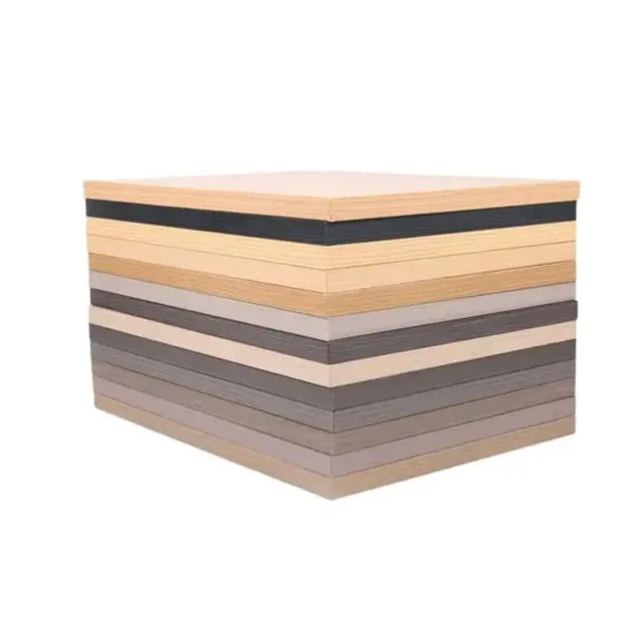
Interior design often requires materials that can adapt to different styles while maintaining consistent performance. Melamine boards provide a wide range of surface finishes that allow designers to create furniture collections with varied visual identities.
Some finishes replicate natural wood textures, offering a warm and familiar appearance. Others feature matte surfaces that align with minimalist design trends. Glossy finishes create reflective surfaces suitable for contemporary interiors.
Textured surfaces also provide subtle visual depth that can enhance furniture design without overwhelming the overall interior environment.
Residential furniture collections often rely on multiple finish options to suit different interior styles. A wardrobe system may be offered in wood-look finishes for traditional interiors and matte surfaces for modern spaces.
Commercial interiors also benefit from finish variety. Office furniture may use neutral tones that support professional environments, while retail fixtures may adopt brighter finishes that highlight displayed products.
Display and decorative panels in interior architecture can also incorporate melamine boards with distinctive textures. This versatility allows designers to maintain consistency while still offering visual diversity across different projects.
Material costs are only one part of a furniture project’s overall budget. Production time, maintenance requirements, and product lifespan also contribute to the total cost of ownership.
Melamine boards help control project costs by combining finished appearance with durable performance. Because the decorative layer is already integrated into the panel, manufacturers avoid additional finishing processes. This reduces both labor and production time.
Durability also contributes to long-term value. Furniture surfaces that resist scratches and stains require less maintenance and remain visually appealing for longer periods.
This balance makes melamine boards suitable for projects of different scales. A single room renovation can benefit from the material’s easy installation, while large interior fit-out programs can take advantage of consistent quality across many furniture units.
Panel-based furniture systems rely on materials that provide structural stability while supporting efficient manufacturing processes. Melamine boards fit well within this production logic.
Cabinet structures, shelving units, and wardrobe systems often use panel components as their primary building elements. These components must maintain straight edges, consistent thickness, and reliable strength.
Melamine boards provide these characteristics while also delivering a decorative surface that complements interior design.
Another advantage is visual consistency across repeated units. When producing multiple cabinets or shelving systems for the same project, consistent surfaces help ensure a unified interior appearance.
This reliability makes melamine boards particularly suitable for modular furniture systems where multiple units are assembled together to create larger storage or display solutions.
Moisture resistance is an important characteristic for interior furniture materials, especially in environments such as kitchens and bathrooms. The melamine surface layer provides a protective barrier that helps resist everyday moisture exposure.
However, it is important to understand how moisture resistance works in practical terms. The decorative surface helps prevent liquids from penetrating the board, but proper installation remains essential.
Edges should be sealed correctly to prevent moisture from entering the internal structure of the panel. When installed with appropriate finishing techniques, melamine boards perform reliably in many indoor environments.
This balanced understanding helps ensure that the material is used appropriately for its intended purpose.
Feature | Why It Matters | Typical Application |
Finished decorative surface | Eliminates extra finishing steps | Cabinets and wardrobes |
Scratch resistance | Maintains appearance during daily use | Office furniture and shelving |
Stain resistance | Simplifies cleaning and maintenance | Kitchen cabinets and retail displays |
Moisture resistance | Supports durability in indoor environments | Bathroom storage units |
Design flexibility | Adapts to multiple interior styles | Residential and commercial furniture |
The table highlights how the practical advantages of melamine boards translate into real furniture applications across different interior environments.
Materials become popular in the furniture industry for a simple reason: they solve practical problems. Melamine boards provide the combination of durability, easy maintenance, decorative consistency, and cost efficiency that modern interior projects require. These advantages explain why they are widely used in cabinets, wardrobes, shelving systems, office furniture, and retail fixtures. With over forty years of furniture manufacturing experience and multiple modern production bases, Tianyuan continues to provide reliable panel materials for global furniture brands and interior projects. If you are planning furniture production or interior installations, contact us to learn more about our melamine decorative boards and integrated panel solutions designed for modern interiors.
Melamine boards offer durable decorative surfaces, scratch resistance, stain resistance, and easy maintenance. These characteristics make them suitable for cabinets, wardrobes, and various furniture applications.
Yes. Their stain-resistant and easy-clean surfaces make them practical for kitchen cabinets and storage units where cleanliness and durability are important.
They provide a finished decorative surface that reduces additional finishing work while maintaining consistent appearance across multiple furniture units.
Yes. Office furniture, retail fixtures, and display systems often use melamine boards because they combine durability with attractive surface finishes suitable for high-use environments.


