
- All
- Product Name
- Product Keyword
- Product Model
- Product Summary
- Product Description
- Multi Field Search
Author: Site Editor Publish Time: 2026-03-16 Origin: Site
Interior spaces today are expected to look clean, organized, and visually consistent while remaining practical for daily use. Designers, furniture manufacturers, and homeowners increasingly look for materials that combine aesthetics with durability and ease of maintenance. That demand explains why Melamine Boards have become a widely used material in cabinets, wardrobes, office furniture, and interior wall panels. Their ability to deliver a finished decorative surface, reliable durability, and efficient production makes them one of the most practical solutions for modern interior design and furniture manufacturing.
Melamine boards are engineered wood panels that feature a decorative melamine resin surface bonded to a wood-based core. The combination of the structural panel and protective surface layer creates a material that is both visually appealing and functionally durable.
Unlike unfinished wood panels that require additional coating or painting after manufacturing, melamine boards arrive with a finished surface already integrated into the panel. This means the decorative layer is fused to the board during production, producing a consistent and durable finish suitable for interior applications.
Because the surface layer is bonded using heat and pressure, the result is a panel that maintains both structural stability and surface durability. Furniture manufacturers benefit from the efficiency of using a panel that does not require additional finishing steps before installation.
The melamine surface layer provides several practical functions that improve the performance of the board in everyday furniture use.
The first function is decorative. The surface layer provides a finished appearance that can replicate wood textures, modern matte finishes, or other decorative effects. This allows furniture designers to achieve a consistent aesthetic across different furniture products.
Another function is wear resistance. The melamine coating forms a protective barrier that helps reduce surface scratches and minor damage during daily use. This characteristic is particularly valuable in cabinets, desks, and shelving systems that experience frequent contact.
The surface layer also reduces the need for additional finishing processes. Because the decorative finish is integrated into the board during manufacturing, furniture components can often move directly from cutting to assembly.
Melamine boards are built upon engineered wood cores that provide structural support for the decorative surface. Different core materials may be used depending on the required balance between strength, weight, and application.
Medium-density fiberboard is commonly used because it offers a smooth and uniform structure that supports decorative finishes effectively. Particle board is another widely used core material that provides strong panel stability and cost efficiency. Plywood cores may also be used in certain applications where additional structural strength is required.
The combination of a stable core and protective surface allows melamine boards to perform reliably in many interior environments.
Furniture manufacturers and interior contractors often prefer materials that simplify production while maintaining visual quality. Melamine boards meet these requirements by offering a finished decorative surface directly from the panel itself.
One advantage is the ready-to-use appearance. Because the decorative layer is already part of the board, manufacturers do not need to apply additional paint or surface treatments after cutting the panels. This shortens production time and improves consistency across multiple furniture units.
Another advantage lies in production efficiency. When manufacturing large quantities of cabinets or furniture panels, reducing finishing steps can significantly improve workflow efficiency. Panels can be cut, edged, and assembled without additional surface processing.
Maintenance is another reason buyers choose melamine surfaces. The protective layer helps resist stains and surface wear, allowing furniture to remain visually clean even after extended use. This makes the material particularly attractive for residential interiors, office furniture, and retail installations.
Melamine boards appear in a wide range of interior applications because they combine structural reliability with decorative versatility. Both residential and commercial interiors benefit from the practicality of this material.
In residential spaces, melamine boards are widely used in wardrobes and cabinets. These furniture pieces require durable surfaces that maintain a clean appearance despite frequent daily use.
Shelving systems also benefit from melamine panels because they provide both strength and a decorative finish. Bookshelves, storage cabinets, and modular furniture units frequently use these boards as structural components.
Decorative interior panels represent another application. Wall panels and built-in furniture elements often use melamine boards to create consistent interior aesthetics.
Commercial interiors place additional demands on furniture materials. Office furniture, retail fixtures, and display systems must maintain durability while presenting a professional appearance.
Melamine boards are commonly used in office desks, storage cabinets, and workspace furniture. Their smooth surfaces and structural stability help maintain a clean and organized office environment.
Retail fixtures and display units also rely on melamine panels because they provide both durability and attractive finishes. Display shelves, product stands, and store interiors often incorporate these boards as structural and decorative components.
Space dividers in offices or commercial areas may also use melamine boards to create practical partitions that blend with the overall interior design.
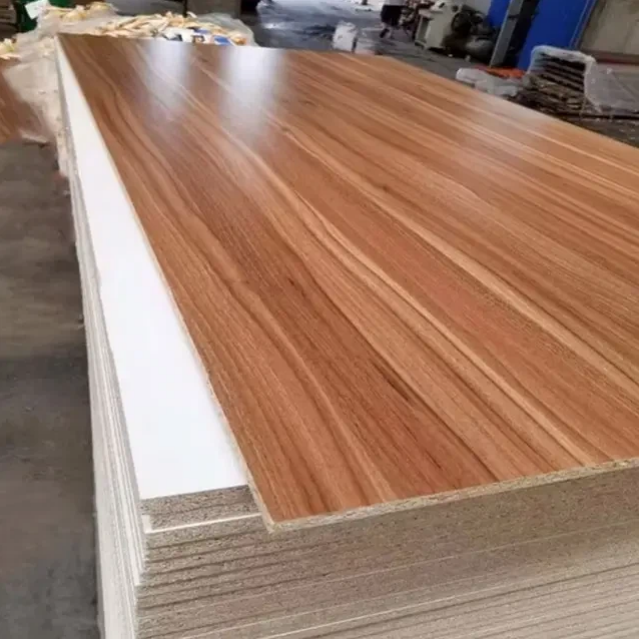
Modern interior design emphasizes simplicity, uniformity, and functional efficiency. Melamine boards align closely with these principles because they offer a consistent visual surface that integrates easily with contemporary furniture styles.
The clean appearance of melamine surfaces helps create interior environments that feel organized and visually balanced. Unlike natural wood, which may vary in grain patterns and color tones, melamine finishes remain consistent across multiple panels.
Another advantage is the variety of available surface finishes. Matte textures, glossy surfaces, and subtle wood-like patterns allow designers to adapt the material to different interior styles.
Minimalist interiors often benefit from smooth matte finishes, while commercial environments may prefer durable textured surfaces that reduce visible wear.
Because the board can adapt to multiple finishes, designers gain flexibility when creating coordinated furniture collections and interior layouts.
Durability and practicality are key considerations for interior furniture materials. Melamine boards offer several performance features that support long-term usability in homes and commercial spaces.
Scratch resistance is one of the most noticeable advantages. Furniture surfaces encounter regular contact from everyday objects, and scratch-resistant surfaces help maintain a clean appearance over time.
Stain resistance is another valuable feature. Kitchen cabinets, office desks, and retail furniture may experience spills or stains during daily use. Melamine surfaces help prevent these substances from penetrating the panel surface.
Moisture resistance also contributes to the board’s practicality. Interior environments such as kitchens and bathrooms may contain humidity, and the protective surface layer helps reduce the risk of surface damage.
Kitchen storage areas benefit from materials that can be cleaned quickly after cooking or food preparation. Melamine surfaces allow cabinets to remain easy to maintain while preserving their decorative appearance.
Bathrooms often contain elevated humidity levels, making moisture-resistant surfaces important for long-term furniture performance.
Commercial cabinets and office furniture experience frequent contact from multiple users. Durable surfaces help maintain the furniture’s appearance even in busy environments.
Family homes also benefit from low-maintenance materials. Furniture that can be cleaned easily and resist everyday wear simplifies household maintenance.
Melamine boards are sometimes described primarily in terms of affordability, but their value extends beyond simple cost considerations. The material combines visual quality, durability, and production efficiency in a way that supports large-scale furniture manufacturing.
A finished decorative surface eliminates the need for additional painting or coating processes. This reduces manufacturing time while maintaining consistent quality.
Durability also contributes to long-term value. Furniture that remains visually appealing and structurally stable over time reduces the need for frequent replacement.
For furniture brands and interior contractors, this balance between appearance and practicality makes melamine boards a reliable material choice for modern interior environments.
Space | Why Melamine Works There | What End Users Appreciate |
Kitchen cabinets | Durable and easy to clean surfaces | Long-lasting appearance |
Wardrobes | Smooth decorative finishes | Organized and modern storage |
Office furniture | Resistant to daily wear | Professional workspace look |
Retail displays | Attractive surface finishes | Clear product presentation |
Interior wall panels | Consistent decorative surfaces | Clean and uniform design |
The table highlights how melamine boards support multiple interior environments by combining durability with visual consistency.
Modern interior design requires materials that look refined, perform reliably, and remain easy to maintain over time. That combination explains why melamine boards have become a standard material for cabinets, wardrobes, office furniture, and decorative interior panels. Their ability to deliver a finished decorative surface together with durable everyday performance makes them a practical solution for both residential and commercial interiors. With more than forty years of manufacturing experience and multiple advanced production bases, Tianyuan provides high-quality panel materials designed for modern furniture and interior design projects. If you are planning furniture manufacturing or interior installations, contact us to learn more about our melamine decorative panels and integrated furniture material solutions.
Melamine boards are widely used in cabinets, wardrobes, shelving systems, office furniture, retail fixtures, and decorative interior panels because they combine durability with attractive surface finishes.
They provide a finished decorative surface that reduces additional coating work, making furniture production faster and more efficient while maintaining a clean appearance.
Yes. Their stain resistance and easy-clean surfaces make them a practical option for kitchen storage furniture and cabinet interiors.
Yes. Retail fixtures, office furniture, and display units frequently use melamine boards because the surfaces remain durable and visually consistent even in high-traffic environments.


